Bugs & Blooms Social Enterprises for Conservation
We are advovates and sponsors of the following organizations
.jpg)

.webp)



Welcome to the Bugs & Blooms Michigan Animal & Plant Recovery Initiative (MAPRI). All things in nature begin and end with the smallest and most populated animals in the world. Without the resources to sustain our environment, which start with insects, plants we will not survive. From the air we breathe to the food we eat, we all depend on these animals. So, we like the idea of Thinking Globally and Acting Locally. Therefore, we are giving back to help the little heroes survive.
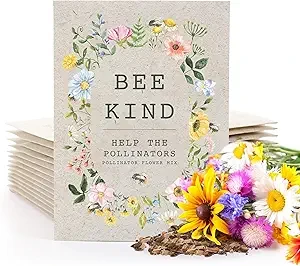
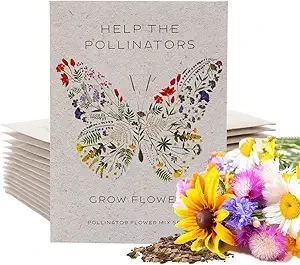
Our packages and Seeding Greeting Cards are just another way to help you contribute at a very low cost and a great way to decorate a small portion of your yard as well. Please stop by and chat with any of our associates and they would be more than happy to assist you in helping us help the world.
.jpg)
.jpg)
.jpg)
Ausable River Terrestrial Initiative

MAPRI has recently extended its reach to include making more people aware of the importance of terrestrial insects that call the AuSable River home. Many folks do not realize the plight that the terrestrials must go through just to exist in these areas, such as contamination, climate change, and mostly lack of sustainable environment. These insects are declining at excessive rates. Between 2001 and 2017 the US as a whole lost a patch of sustainable natural habitat, the size of a football field, every 30 seconds. That coupled with the fact that the native fish of the river depend on this food to make up about 50% of their daily diet, it only seems reasonable that we need to jump in and lend a hand. So MAPRI will be setting up a program where anyone interested can stop by and pick up a bare root native tree(s) or seeds to plant in their favorite location along the Ausable to help increase our little friend's environment. We will also be handing out more information and updates on our new project along with terrestrial hatch guides. Donations to further the project are always welcome.
Bare Root Trees
Tag Alder - Plant in wet muddy areas along the banks- Provides Canopy while adding nitrogen to the soil.
Red Osier Dogwood - Plant along moist sustainable banks-Deep aggressive roots that help with soil erosion
White Pine - Plant in high and dry sandy banks-lives in acidic sandy soil and helps with erosion
Wildflower/Native Grass Seeds - Plant along sunny banks-Attracts grasshoppers, crickets, and leafhoppers to the water's edge
WE HAVE MANY WAYS TO GET INVOLVED!
Plant Seeds


Proper Housing & Accessories


Attractants


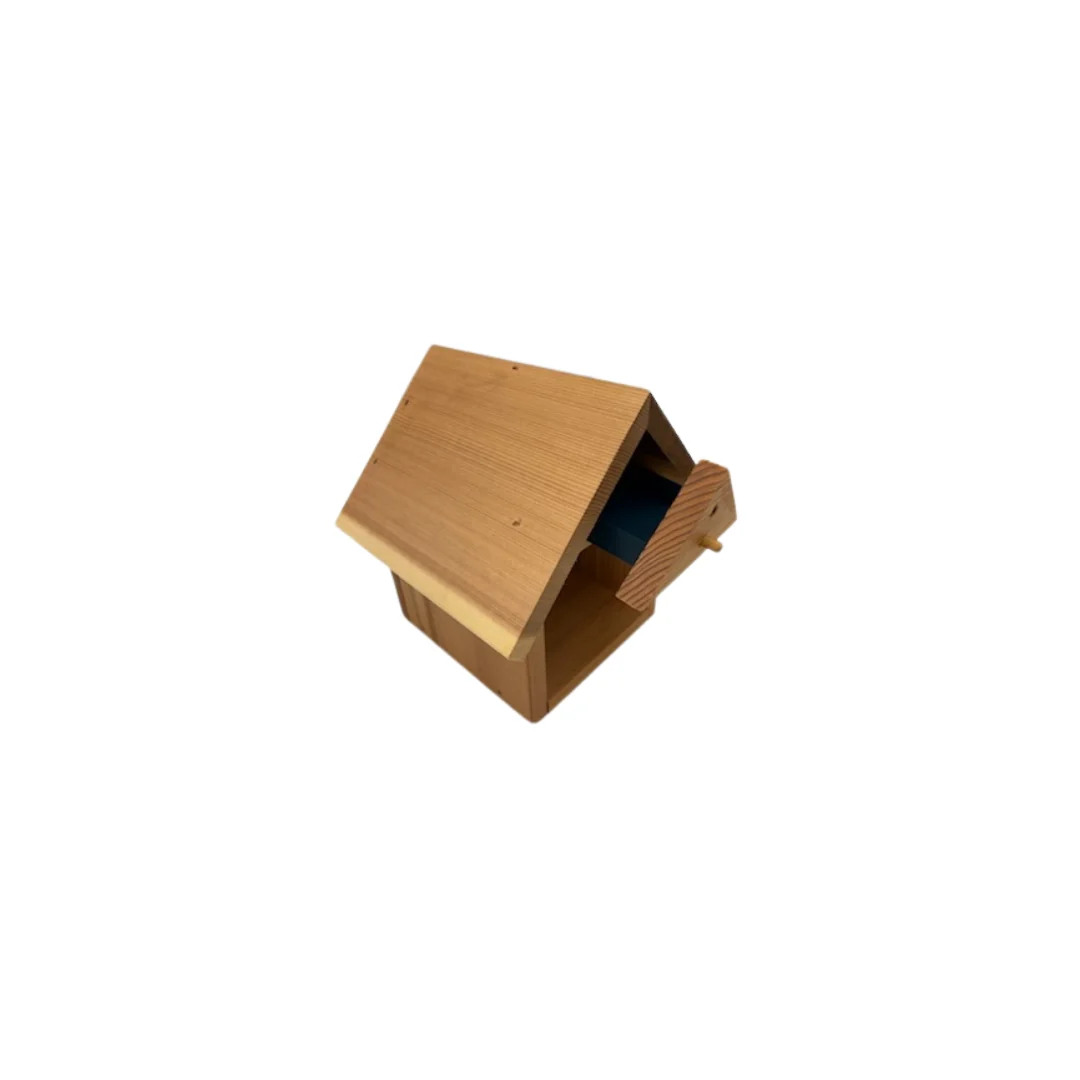
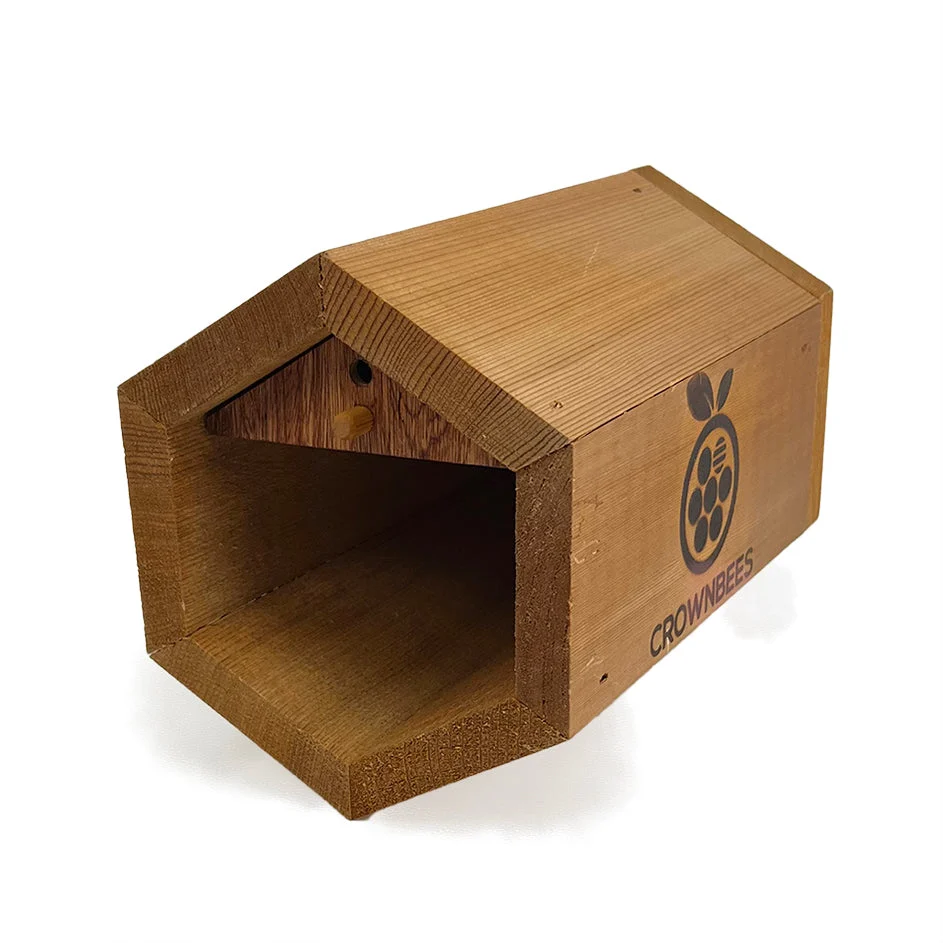
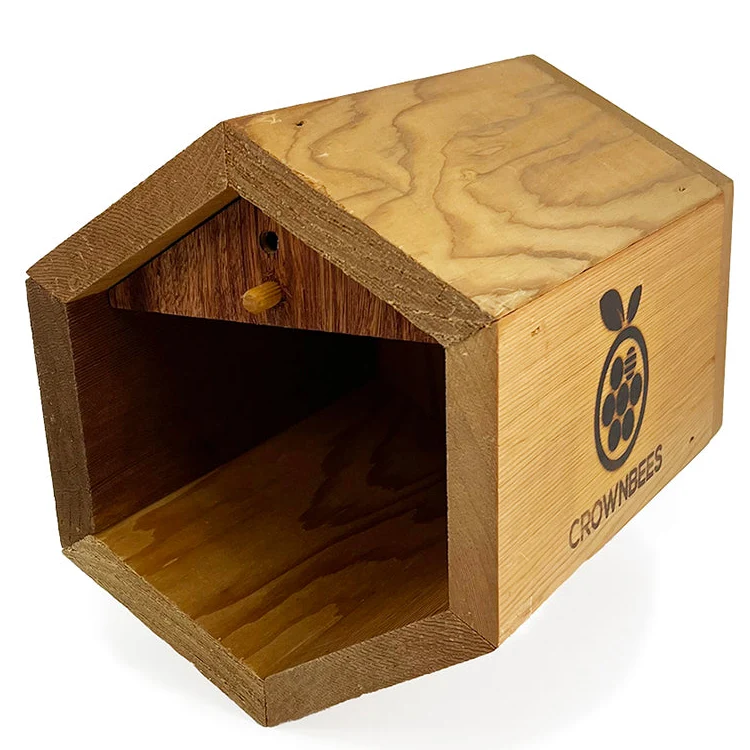
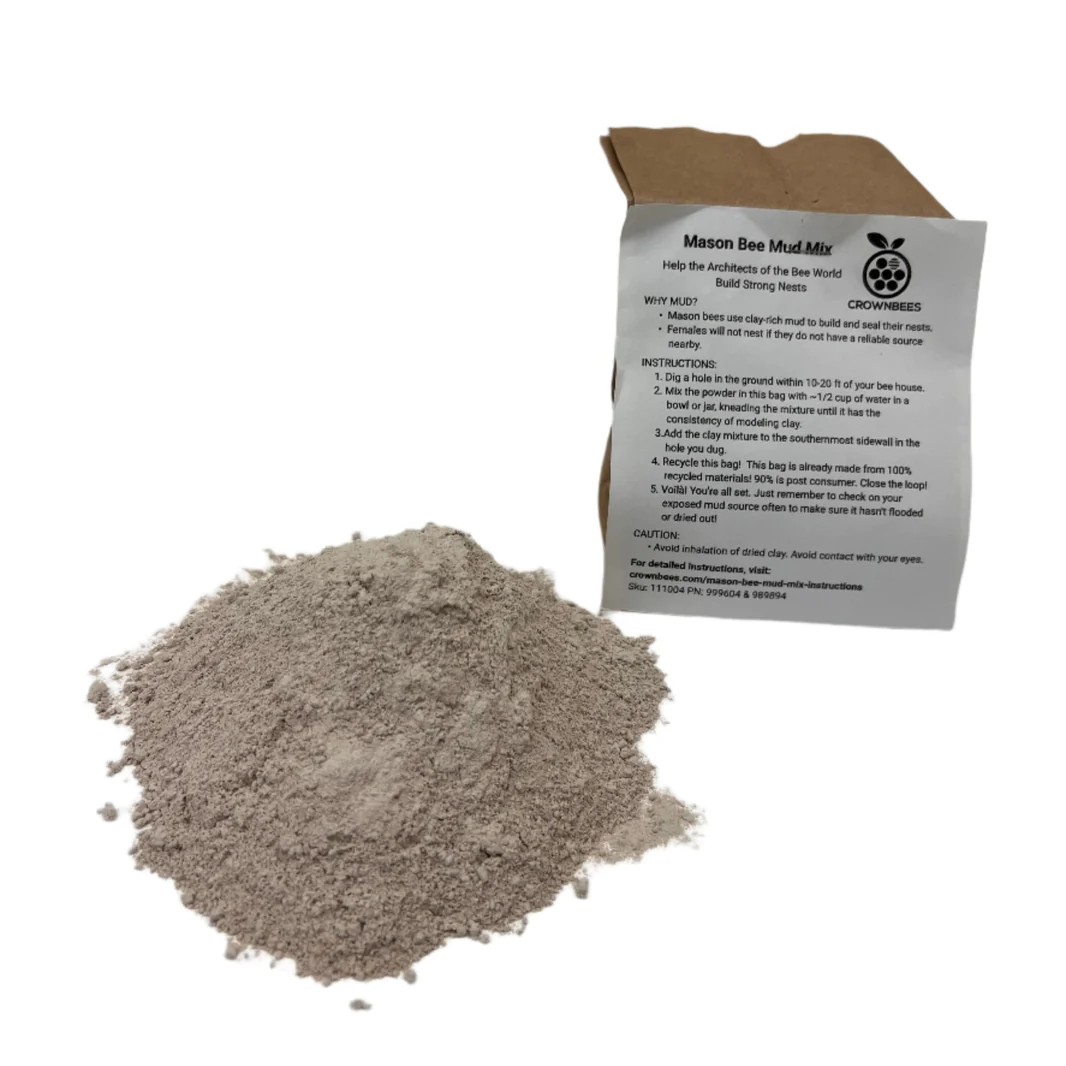
1. The Twig and Leaf Pile (Best for Daily Shelter)
Instead of building a structure, simply create a loose, intentional pile of natural debris in a quiet corner of your yard.
-
How to make it: Layer thick tree branches at the bottom to create open air pockets, then loosely stack smaller twigs, dry leaves, and pieces of bark on top.
-
Why it works: This mimics the natural forest floor. Butterflies can easily crawl deep into the gaps between the twigs to hide from predators and heavy rain, while leaves provide camouflage.
2. A Tree Bark Lean-To (Best for Hibernation)
Many butterfly species overwinter as adults or chrysalides and need a safe place to sleep through the cold months.
-
How to make it: Find large, flat pieces of fallen tree bark. Lean them securely against the trunk of a living tree or a stone wall, leaving a narrow, dark gap behind them.
-
Why it works: In the wild, butterflies naturally hibernate inside the deep ridges and peeling cavities of tree bark.
3. A Stone Sunning Spot
Butterflies are cold-blooded and need external heat to fly.
-
How to make it: Place a few large, flat, dark-colored rocks in the absolute sunniest spot of your yard, preferably sheltered from the wind by nearby bushes.
-
Why it works: The stones absorb the morning heat, giving butterflies a safe platform to warm up their wings.
By skipping the woodshop and sticking to raw, loose yard elements, you will create a much safer and more authentic sanctuary.
Natural Butterfly Structures
